Ramshej
Fort Images
Explore Various Images of the Fort
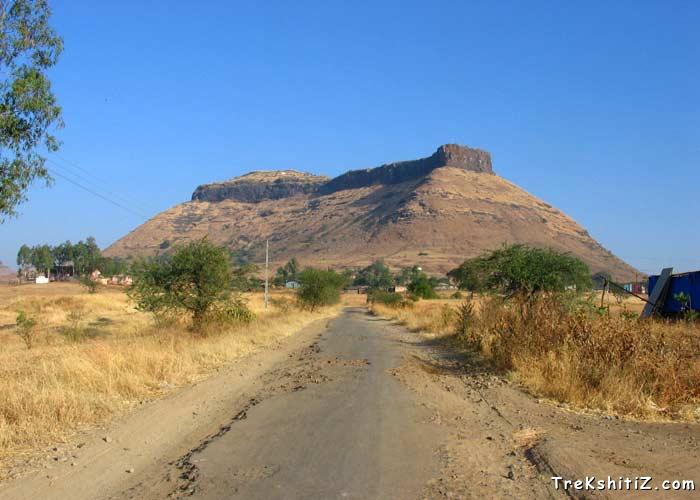
Ramshej Fort from Aashewadi
Introduction
Ramshej Fort is located north of Nashik city, and has been historically significant. History has it, that the fort was attacked by Mughals (Aurangzeb’s army), and his commanders threatened the Maratha kingdom saying that they would capture the fort in hours. Shivaji Maharaj’s son Sambhaji and his army resisted these attacks for almost 6 years. One can find the references to this battle well fought by brave Maratha warriors from Mughal letters.
Historical Background
Ramshej literally means Lord Ram’s bedstead. While in exile, Lord Ram had made this place as his residence for some time, which gives the fort its name. During reign of Sambhaji, Aurangzeb came to Maharashtra with the motive to destroy Hindavi Swarajya completely. Nashik was under the command of Mughals. Since Ramshej is near Nashik, the Mughals thought it would be the easiest to conquer it but proved to be a hard nut to crack.
To conquer this fort Aurangzeb sent Shahbuddin Gaziudin Firozejung with an army of 40,000 soldiers and canons. The Mughals sieged the fort when the fort had only 600 Mavalas. The first attack came from the Mughals to which the Mavalas replied by a massive stone attack. As a result of this attack, the Mughals had to back off.
Afterwards Shahbuddin tightened the siege, dynamited the area and installed wooden platforms to hold the canons and many more ideas followed. The Killedar (commander) of Ramshej fort was an experienced and intelligent strategist and put an end to their daydreams.
Shahbuddin’s obstinate desire to win made him think carefully. “He made a wooden bastion capable enough to accommodate 500 men and 50 canons. Accordingly the surrounding forest was cleared to construct a huge wooden bastion. The Mughals attempted attacks from the bastion, which failed eventually.
In May 1662, Sambhaji Maharaj sent Rupaji Bhosale and Manaji More with an army of 7000 to break the siege. Shahbuddin checked the advance of Marathas at a place near Ganeshgaon. Both the armies fought fiercely in which the Mughals lost their 500 horses to the Marathas.
This victory filled the Marathas with enthusiasm. But due to this retreat, Aurangzeb got agitated and commanded Bahadur Khan to march towards Ramshej.
Shahbuddin tightened the siege and resumed the attack on the fort, to which Mavalas replied with massive stone attack. Raja DalapatRai got injured in this attack due to which Mughals had to retreat.
Due to consistent failures Shahbuddin left for Junnar calling off the siege. Bahadur Khan took the responsibility of this siege. He devised a new strategy to attack the fort, wherein a part of the Mughal army consisting canons and instruments stationed at one side of the fort to keep the Marathas engaged and the remaining force would attack from the other side. However Marathas somehow became aware of this strategy and divided their army to stations on both sides of the fort, which foiled the plans of the Mughals.
Bahadur Khan called in a Tantrik to devise a new strategy. The Tantrik asked for a golden serpent (snake statue) weighing 100 tola. He claimed to use the serpent and lead the Mughal army to the main gate of the fort. Khan followed his instructions and Tantrik led the army by keeping eye on the fort. When they reached within the range of attack, Marathas started their stone attacks. The Tantrik got hit by a rock and the serpent felt on the ground from his hands. The Mughals were aghast and had to retreat. Aurangzeb got agitated and ordered Bahadur Khan to retreat.
After this Aurangzeb sent Kasimkhan Kiramani to march towards Ramshej, but he too failed to get the fort. Hence, the ferocious Marathas fought bravely for about 65 months and proved how strong their forts are.
How to Reach
First we have to reach Nashik. Then board a S.T from Nashik's CBS bus station to Peth and alight at the Aashewadi Phata. A walk of some minutes takes us to Aashewadi village, from where we can see the fort.
Route to fort goes from the back side of the village by keeping fort at the left side. It takes 1 hour to climb the fort from this route.
Trek Duration
⏱️ 1 hour from Aashewadi village
Facilities & Amenities
Accommodation
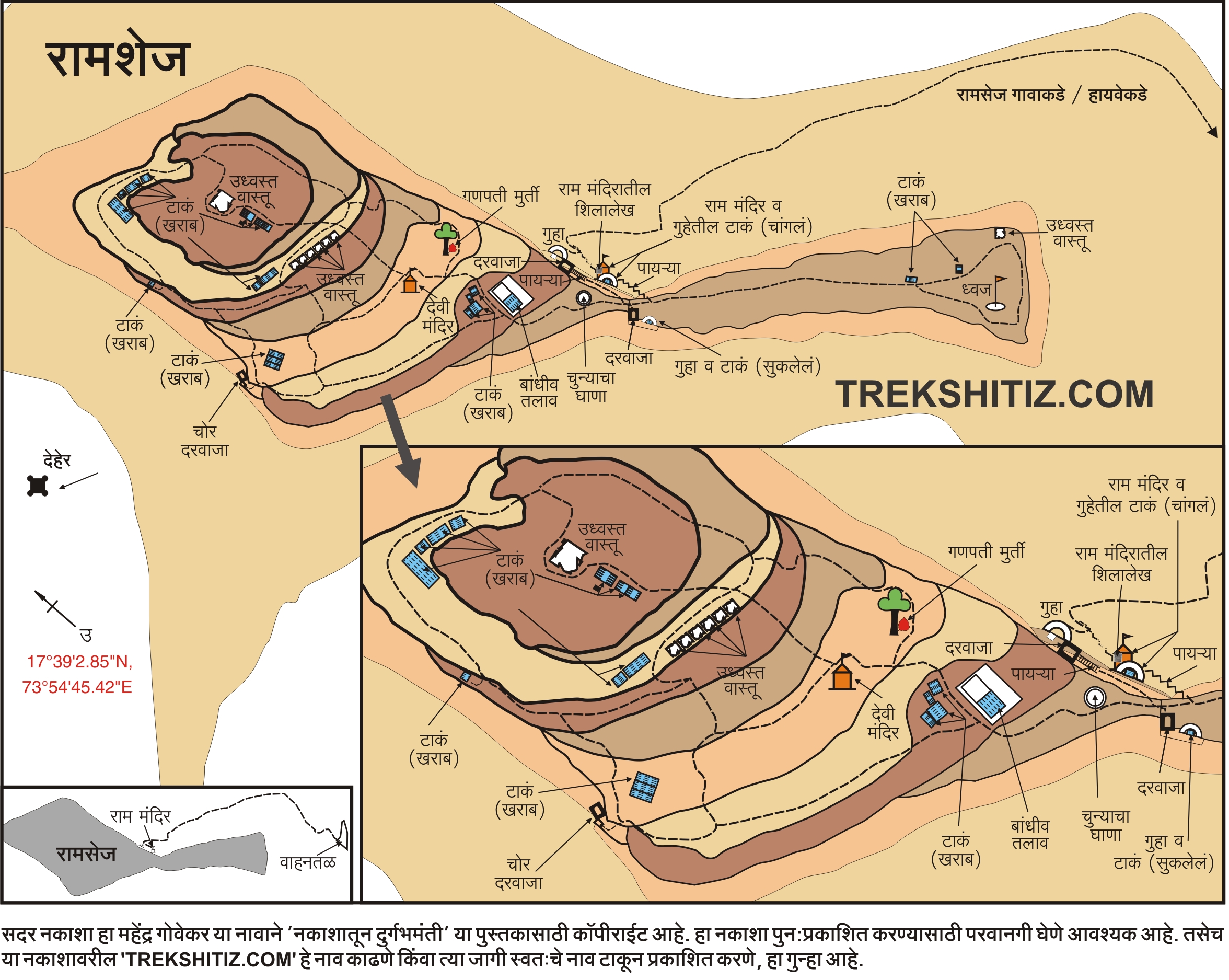
The temple is good place to stay and can accommodate around 10 people at a time.
Food
Food arrangements have to be made by our own.
Water
There are cisterns which are a source of drinking water all year round.
Best Season to Visit
🌤️ All the year
Nearby Villages
Aashewadi
Other Forts in Peth, Nashik
Planning Your Trek?
Pack Smart
Carry essentials, water, and first aid kit
Start Early
Begin your trek early in the morning
Trek in Groups
Always trek with companions for safety
Keep Forts Clean
Do not litter on forts. Do not damage the fort.